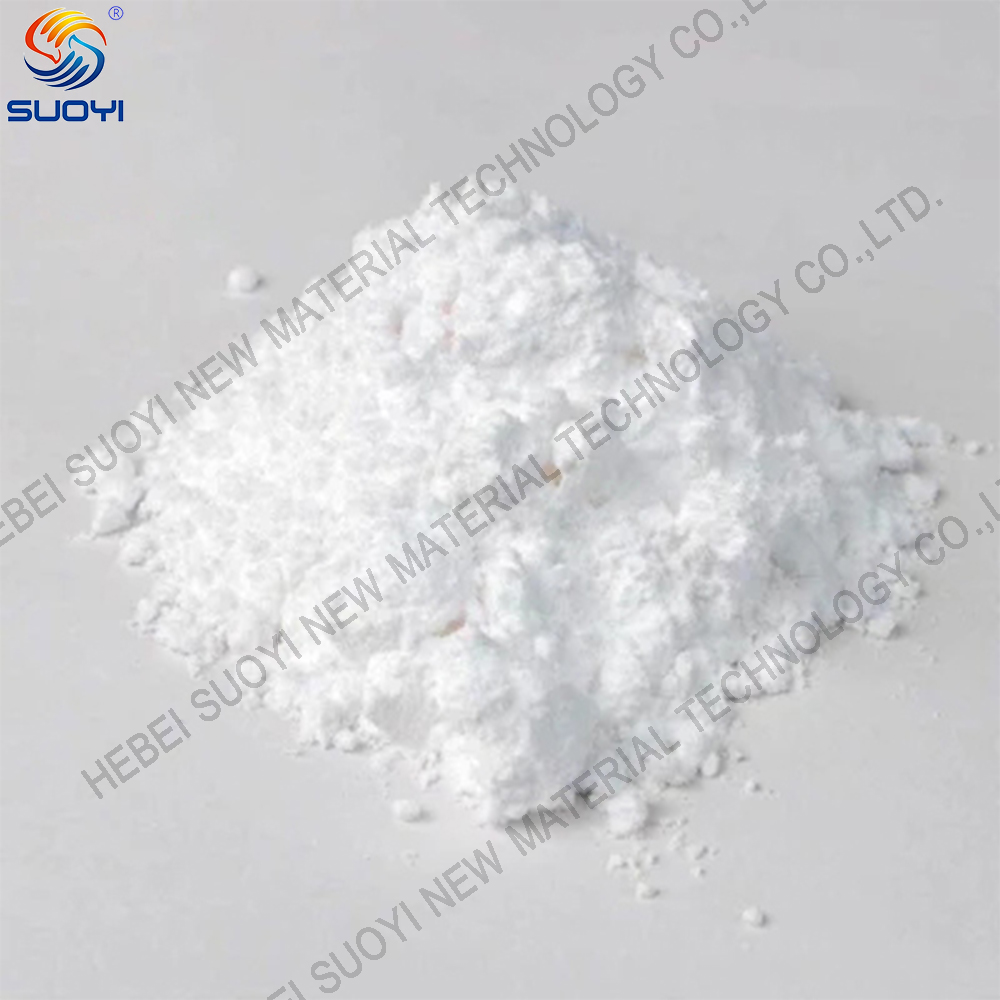
Nano Titanium Dioxide Powder TiO2 as a multifunctional nanomaterial
2025-04-23

As a multifunctional nano-material, nano-TiO2 _ 2 shows remarkable application potential and market value in many fields with its unique physical and chemical properties.
1. High catalytic activity, unique crystal structure and large specific surface area, which can efficiently catalyze chemical reactions, such as photocatalytic degradation of organic matter.
-Anatase nanometer titanium dioxide can generate active oxygen free radicals under ultraviolet light, effectively degrade organic pollutants (such as formaldehyde, benzene, etc.), sterilize and deodorize, and decompose nitrogen oxides (NOx) and hydrocarbons in automobile exhaust, which is suitable for environmental protection and air purification.
2. Strong ultraviolet shielding ability
Rutile nano-TiO _ 2 has high ultraviolet (UVA/UVB) reflectivity and good chemical stability, and is an ideal choice for cosmetics sunscreen and anti-aging materials.
-Strong ultraviolet absorption: It has strong absorption and scattering effects on ultraviolet rays, and can be used for sun protection and anti-ultraviolet aging.
3. High stability and safety
-Weather resistance, thermal stability and non-toxicity, making it safe for food packaging, biomedical materials (such as artificial limbs) and human contact products (such as textiles).
-Good chemical stability: it is not easy to react with other substances, and it can maintain stable performance in various environments.
-Non-toxic and harmless: it is friendly to human body and environment and is a safe material.
4. Enhance the performance of materials
-When added to battery, plastic, paint and other substrates, it can improve electrical conductivity, mechanical strength, scratch resistance and light response efficiency.
5. Environmental protection and sustainability
-Replacing traditional polluting materials (such as PVA in textile size) to reduce the environmental burden; Improve photoelectric conversion efficiency in solar cells and promote the development of clean energy.
-Anatase nanometer titanium dioxide can generate active oxygen free radicals under ultraviolet light, effectively degrade organic pollutants (such as formaldehyde, benzene, etc.), sterilize and deodorize, and decompose nitrogen oxides (NOx) and hydrocarbons in automobile exhaust, which is suitable for environmental protection and air purification.
2. Strong ultraviolet shielding ability
Rutile nano-TiO _ 2 has high ultraviolet (UVA/UVB) reflectivity and good chemical stability, and is an ideal choice for cosmetics sunscreen and anti-aging materials.
-Strong ultraviolet absorption: It has strong absorption and scattering effects on ultraviolet rays, and can be used for sun protection and anti-ultraviolet aging.
3. High stability and safety
-Weather resistance, thermal stability and non-toxicity, making it safe for food packaging, biomedical materials (such as artificial limbs) and human contact products (such as textiles).
-Good chemical stability: it is not easy to react with other substances, and it can maintain stable performance in various environments.
-Non-toxic and harmless: it is friendly to human body and environment and is a safe material.
4. Enhance the performance of materials
-When added to battery, plastic, paint and other substrates, it can improve electrical conductivity, mechanical strength, scratch resistance and light response efficiency.
5. Environmental protection and sustainability
-Replacing traditional polluting materials (such as PVA in textile size) to reduce the environmental burden; Improve photoelectric conversion efficiency in solar cells and promote the development of clean energy.
Main application fields of nanometer titanium dioxide
1. New energy and battery technology
-Lithium-ion battery: As a positive electrode additive, it can improve ion conductivity, cycle stability and charge-discharge efficiency, and is known as "Lithium-ion monosodium glutamate".
-Solar cells: significantly improve energy storage efficiency through high photoelectric conversion rate.
2. Environmental protection and pollution control
-Air purification: used in photocatalytic coatings, concrete (decomposing NOx) and road engineering (decomposing tail gas in asphalt mixture).
-Water treatment: degradation of organic pollutants in water, suitable for industrial wastewater treatment.
3. Building materials
-Self-cleaning surface: the coating of glass and ceramic tile uses super hydrophilicity to realize anti-fog and self-cleaning functions.
-Antibacterial building materials: When added to paints and furniture, it can decompose harmful gases such as formaldehyde and improve indoor air quality.
4. Cosmetics and textiles
-Sunscreen and whitening: Reflecting ultraviolet rays, as a natural physical sunscreen, it is safe and non-irritating.
-Functional textiles: endow fibers with antibacterial and deodorizing properties, which are used in medical supplies and health care clothes.
5. Automobile and industrial manufacturing
-Sensor: detects the oxygen content in automobile exhaust and optimizes engine efficiency.
-3D printing: Adding polymer to give printed products chemical activity and expand the application of functional materials.
6. Paints and coatings
-High-end decorative coatings: with the effect of different colors (such as car topcoat) and the improvement of scratch resistance.
-Anti-fouling coating: marine netting coating prevents biological adhesion and prolongs service life.
Application of nanometer titanium dioxide pow
-Environmental protection: As a photocatalyst, it can degrade harmful gases in the air, such as formaldehyde and benzene, and can also be used to treat industrial wastewater and decompose organic pollutants.
-Coating field: When added to coatings, it can improve the weatherability, self-cleaning and antibacterial properties of coatings.
-Cosmetic field: used in cosmetics such as sunscreen, which can effectively block ultraviolet rays and protect skin from harm, and because of its small particle size, it will not produce obvious white residue.
-Food packaging field: it has antibacterial and fresh-keeping functions, and can prolong the shelf life of food.
-Energy field: it can be used to prepare dye-sensitized solar cells and improve the photoelectric conversion efficiency of the cells.
Technological Breakthrough and Industrialization Progress
-Gas-phase preparation technology, efficient combustion synthesis technology, accurate control of nano-particle morphology, better product purity and dispersibility than traditional liquid-phase method, and a 500-ton/year production line has been built to promote import substitution.
-The development of multifunctional composite materials, such as the combination of nano titanium dioxide and fluorocarbon resin to form a weather-resistant and self-cleaning coating, which is applied to buildings and industrial equipment.
1. New energy and battery technology
-Lithium-ion battery: As a positive electrode additive, it can improve ion conductivity, cycle stability and charge-discharge efficiency, and is known as "Lithium-ion monosodium glutamate".
-Solar cells: significantly improve energy storage efficiency through high photoelectric conversion rate.
2. Environmental protection and pollution control
-Air purification: used in photocatalytic coatings, concrete (decomposing NOx) and road engineering (decomposing tail gas in asphalt mixture).
-Water treatment: degradation of organic pollutants in water, suitable for industrial wastewater treatment.
3. Building materials
-Self-cleaning surface: the coating of glass and ceramic tile uses super hydrophilicity to realize anti-fog and self-cleaning functions.
-Antibacterial building materials: When added to paints and furniture, it can decompose harmful gases such as formaldehyde and improve indoor air quality.
4. Cosmetics and textiles
-Sunscreen and whitening: Reflecting ultraviolet rays, as a natural physical sunscreen, it is safe and non-irritating.
-Functional textiles: endow fibers with antibacterial and deodorizing properties, which are used in medical supplies and health care clothes.
5. Automobile and industrial manufacturing
-Sensor: detects the oxygen content in automobile exhaust and optimizes engine efficiency.
-3D printing: Adding polymer to give printed products chemical activity and expand the application of functional materials.
6. Paints and coatings
-High-end decorative coatings: with the effect of different colors (such as car topcoat) and the improvement of scratch resistance.
-Anti-fouling coating: marine netting coating prevents biological adhesion and prolongs service life.
Application of nanometer titanium dioxide pow
-Environmental protection: As a photocatalyst, it can degrade harmful gases in the air, such as formaldehyde and benzene, and can also be used to treat industrial wastewater and decompose organic pollutants.
-Coating field: When added to coatings, it can improve the weatherability, self-cleaning and antibacterial properties of coatings.
-Cosmetic field: used in cosmetics such as sunscreen, which can effectively block ultraviolet rays and protect skin from harm, and because of its small particle size, it will not produce obvious white residue.
-Food packaging field: it has antibacterial and fresh-keeping functions, and can prolong the shelf life of food.
-Energy field: it can be used to prepare dye-sensitized solar cells and improve the photoelectric conversion efficiency of the cells.
Technological Breakthrough and Industrialization Progress
-Gas-phase preparation technology, efficient combustion synthesis technology, accurate control of nano-particle morphology, better product purity and dispersibility than traditional liquid-phase method, and a 500-ton/year production line has been built to promote import substitution.
-The development of multifunctional composite materials, such as the combination of nano titanium dioxide and fluorocarbon resin to form a weather-resistant and self-cleaning coating, which is applied to buildings and industrial equipment.
Nano-titanium oxide has become a key material in the fields of new energy, environmental protection, medical treatment and high-end manufacturing because of its versatility and environmental protection characteristics. With the optimization of preparation technology (such as gas phase mass production) and the expansion of application scenarios, its market potential will be further released.
Suoyi Dental Yttria Stabilized Zirconia Powder for Dental Zirconia Blocks/Blank/Discs
Suoyi Nano silicon oxide powder 1-100nm
Related Article

Zirconia toughened alumina powder (ZTA powder) ZTA is zirconia toughened alumina composite powder. It uses high-purity α-alumina as the matrix and is evenly doped with 3YSZ yttrium-stabilized zirconia nanoparticles. The zirconia grains are dispersed and distributed among the alumina grain boundaries through a wet compounding process.
SUOYI zirconia toughened alumina powder (10%, 15%, 20% ZTA powder)
By 2025, Large-scale deployment of 800V high-voltage platforms, SiC devices, and intelligent driving technologies in new energy vehicles.
By 2025, Large-scale deployment of 800V high-voltage platforms, SiC devices, and intelligent driving technologies in new energy vehicles.
Zirconium filter element - guarding every drop of purity with the power of minerals
Say goodbye to the limitations of traditional filter cartridges and encounter each other zirconium hydroxide Mineral grade purification experience brought by technology
Say goodbye to the limitations of traditional filter cartridges and encounter each other zirconium hydroxide Mineral grade purification experience brought by technology
Zirconium filter element - guarding every drop of purity with the power of minerals Say goodbye to the limitations of traditional filter cartridges and encounter each other zirconium hydroxide Mineral grade purification experience brought by technology